

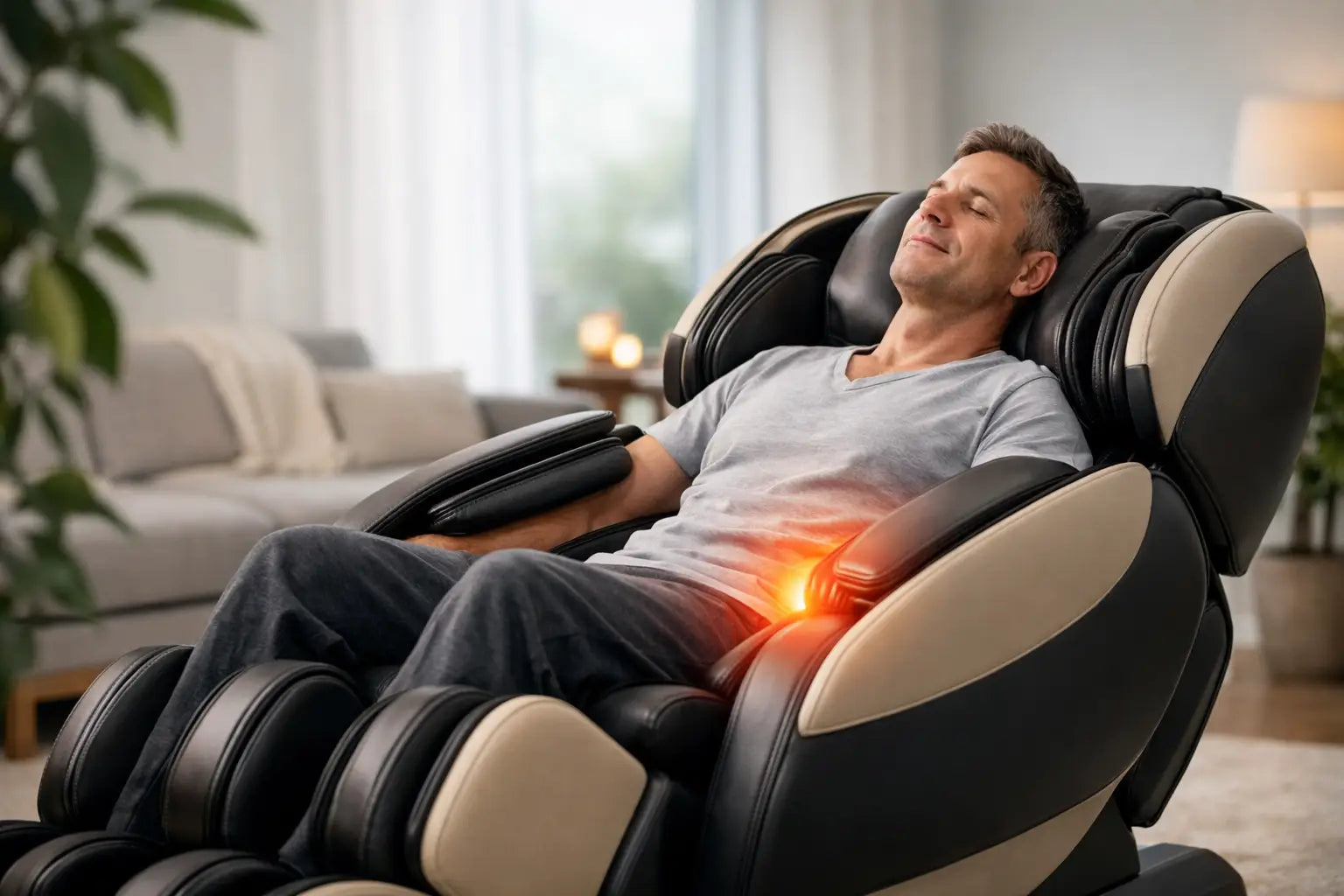
Best Massage Chair for Back Pain at Home
Back pain has a way of changing the entire rhythm of your day. It shows up at your desk, in the car, during sleep, and even in the quiet moments when your body is supposed to be recovering. A well-chosen massage chair for back pain can help turn those daily interruptions into a more supportive recovery ritual - one that fits your schedule, your space, and the standard of comfort you want at home.
The key is choosing with intention. Not every massage chair is built for the same kind of discomfort, body type, or home environment. If you are investing in a premium chair, it should do more than feel impressive in a showroom. It should support how you actually live, recover, and reset.
What a massage chair for back pain can actually do
A massage chair can help reduce muscular tension, improve circulation, and create a sense of decompression after long periods of sitting, training, commuting, or stress. For many people, that means less tightness through the lower back, fewer flare-ups caused by fatigue, and an easier time settling into rest at the end of the day.
That said, back pain is not one single issue. Tight erectors after heavy lifting feel different from stiffness caused by desk posture. A chair that feels excellent for general tension may not be the right fit if you are dealing with more sensitive pressure points or recurring discomfort through the lumbar area.
This is where premium models start to matter. Better engineering usually means more precise rollers, improved body scanning, stronger customization, and a smoother overall massage path. Instead of a broad, generic massage, you get something that feels more tailored to your frame and your needs.
How to choose the right massage chair for back pain
The best place to start is not with brand names or aesthetics, but with the pattern of pain you want to address. If your discomfort sits mostly in the lower back, look closely at lumbar support, heat placement, and whether the chair offers targeted programs rather than only full-body sessions. If tension runs from your neck down through the mid-back, the track design becomes even more important.
Track type matters more than many shoppers expect
An S-track tends to follow the natural curve of the spine and often performs well for the neck, shoulders, and mid-back. An L-track extends farther down, usually reaching through the glutes and upper hamstrings. For many people with lower back tightness, that added reach can feel more restorative because the muscles around the pelvis and hips often contribute to what shows up as back pain.
Neither option is automatically better. If your priority is a highly precise spinal massage, an S-track may feel more focused. If you want broader relief that includes the lower body, an L-track or hybrid design may be the smarter choice.
Body scanning helps the massage feel personal
One of the biggest differences between entry-level and premium chairs is body scanning. This feature maps your height, shoulder position, and spinal contours so the rollers land where they should. Without it, even a powerful chair can feel slightly off - too high on the shoulders, too shallow through the lumbar area, or too aggressive in the wrong place.
For shoppers investing in a premium at-home wellness setup, this is not a minor detail. Precision is what makes a chair feel like a considered tool for recovery rather than a novelty purchase.
Heat, recline, and decompression all play a role
Heat therapy can be especially helpful for muscular tightness, particularly in the lower back. Some chairs offer gentle warming pads, while others integrate more focused lumbar heat. The goal is not intense temperature, but consistent warmth that helps tissue relax before or during massage.
Recline matters for a different reason. Zero gravity positioning shifts some pressure away from the spine and can help the body settle more fully into the session. For some users, this creates a noticeable sense of decompression. For others, it simply makes the massage more comfortable and easier to sustain for 15 to 30 minutes.
Features worth paying for and features that are optional
In a premium category, more features do not always mean a better fit. Some upgrades genuinely improve the experience of using a massage chair for back pain every day. Others are nice to have but should not drive the purchase.
Targeted massage programs, adjustable roller intensity, lumbar heat, body scanning, and strong track design are all worth prioritizing. Foot rollers, Bluetooth speakers, and ambient lighting can add enjoyment, but they will not matter much if the chair does not properly support your back.
Air compression is useful, though its value depends on how you plan to use the chair. If you want full-body recovery after workouts or long travel days, air compression through the hips, shoulders, and legs can make sessions feel more complete. If your focus is specifically back relief, the mechanical massage system should stay at the center of your decision.
Fit, dimensions, and room placement
A massage chair can be beautifully designed and still be wrong for your home if it overwhelms the room or does not suit your height. This is one of the most overlooked parts of shopping in the category.
Start with dimensions in both upright and fully reclined positions. Some space-saving chairs slide forward as they recline, which makes placement easier in bedrooms, offices, or dedicated wellness rooms. Others need significantly more clearance behind the chair.
User height and weight ranges are equally important. A chair that is too large can feel imprecise. One that is too small may place rollers and airbags in the wrong zones. If you are creating a wellness space with design in mind, you want the chair to feel integrated, not improvised. The visual footprint matters, but ergonomic fit matters more.
When a massage chair may help most
For many households, the value of a massage chair is not about replacing medical care. It is about creating consistency. The best outcomes often come from regular use rather than occasional use.
If your back tends to tighten after work, a 20-minute session in the evening may help interrupt that cycle before it affects sleep. If you train frequently, using the chair after strength sessions or on recovery days can support a more complete routine. If stress shows up physically in your shoulders and lower back, having a chair at home removes the friction of needing an appointment or commute to access relief.
This is where luxury and practicality meet. A premium chair is not only about comfort. It is about access - to recovery, to stillness, and to a ritual you can return to without leaving home.
A few trade-offs to keep in mind
Stronger is not always better. Some users assume the most intense rollers will offer the most relief, but sensitive backs often respond better to moderate pressure used consistently. Likewise, a chair with every available feature may not feel as refined as one that does a few core functions exceptionally well.
There is also the reality that not all back pain should be self-managed. If pain is sharp, radiating, worsening, or connected to an injury or medical condition, it is wise to speak with a qualified healthcare professional before using a massage chair. The best wellness products support a healthy routine, but they should be used with discernment.
Shopping with a more considered standard
When you are comparing chairs, think beyond the spec sheet. Ask how the chair will fit your body, your home, and your routine six months from now. Will you use it daily, or does it only seem appealing in theory? Does it offer the kind of massage your back actually responds to? Is setup realistic for your space? These are the questions that lead to a smarter purchase.
For shoppers building a home wellness environment, a massage chair often works best as part of a broader recovery rhythm. It can pair naturally with infrared heat, compression recovery, red light therapy, or simply a dedicated evening wind-down routine. At The Well Body Store, that kind of thoughtful integration is what separates a product from a lifestyle investment.
The right chair should feel restorative from the first week, but its real value shows up over time - in fewer tense evenings, better recovery habits, and a home that supports your body as well as your schedule. Choose the chair that meets your back where it is now and supports where you want your well-being to go next.


Leave a comment
This site is protected by hCaptcha and the hCaptcha Privacy Policy and Terms of Service apply.