

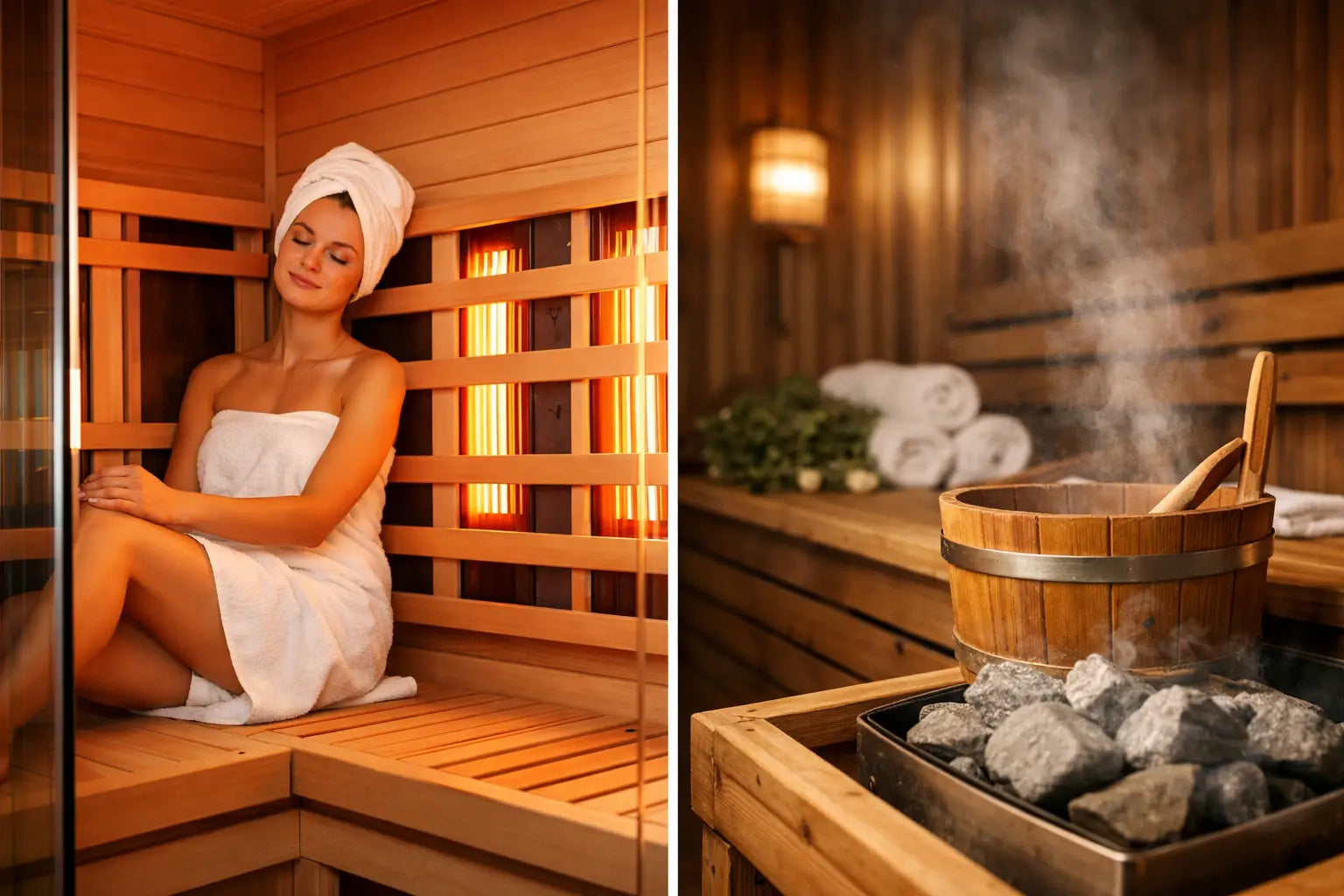
Infrared Sauna vs Traditional Sauna
Some people want a sauna that feels like a classic heat ritual - cedar, steam, and that unmistakable wave of warmth the moment they step inside. Others want a gentler, more modern recovery experience they can use more often and fit more easily into daily life. When comparing infrared sauna vs traditional sauna, the better choice is rarely about which one is superior in the abstract. It is about how you want heat to feel, how you plan to use it, and what belongs in your home.
Infrared sauna vs traditional sauna: the core difference
The simplest distinction is this: traditional saunas heat the air around you, while infrared saunas use infrared heaters to warm the body more directly. That difference changes nearly everything about the experience.
A traditional sauna usually operates at much higher ambient temperatures, often in the 150 to 195 degree range depending on the model and the user’s preference. The room itself becomes intensely hot, and if water is poured over sauna stones, humidity rises and the heat feels even fuller. It is immersive, immediate, and rooted in a time-honored sauna tradition.
An infrared sauna generally runs at lower air temperatures, often around 120 to 150 degrees. Even though the room feels less extreme, many users still work up a substantial sweat because the infrared heat is absorbed more directly by the body. The result is often perceived as more approachable, especially for people who find conventional sauna heat overwhelming.
How the experience feels in real life
This is where the decision becomes personal.
A traditional sauna tends to feel ceremonial. You step into a hot, enveloping environment that asks for stillness. The heat fills the room, and for many people that intensity is the point. It creates a strong sense of separation from the outside world, which is part of why traditional saunas remain so compelling in luxury home wellness spaces.
Infrared saunas feel more controlled and incremental. The warmth builds differently, and many people find it easier to stay inside longer. If your goal is to make sauna use a frequent habit before work, after training, or in the evening without a dramatic acclimation period, infrared can feel more compatible with everyday routine.
Neither experience is inherently better. Traditional saunas often appeal to people who want authenticity, higher heat, and a more architectural wellness ritual. Infrared often appeals to those who prioritize convenience, comfort, and regular use.
Heat, humidity, and comfort
The conversation around comfort is often more important than the conversation around maximum temperature.
Traditional saunas create a dry heat unless water is added to the stones. Once steam enters the room, the sensation changes quickly. For some users, that added humidity makes the session feel richer and more satisfying. For others, it makes the heat harder to tolerate. If you love the feeling of intense warmth that surrounds the whole body, traditional has a depth that infrared does not try to replicate.
Infrared saunas usually provide a drier, lower-temperature environment. That can be a major advantage for people who want the benefits of heat exposure without feeling breathless or overstimulated by a very hot room. If you have ever thought, "I like the idea of a sauna, but I do not want to sit in extreme heat," infrared is often the more natural fit.
This is also why households sometimes split on preference. One person may want the enveloping effect of traditional heat, while another wants something easier to enter and exit without a long recovery period afterward.
Recovery, stress relief, and how often you will use it
Both sauna types are commonly used for relaxation, post-workout recovery, and daily decompression. The more useful question is not whether one supports wellness and the other does not. It is whether the experience matches your rhythm.
Infrared saunas are often favored by people who want to use heat more frequently. Because the air temperature is lower, a session can feel easier to incorporate into a busy schedule. Many professionals and fitness-focused homeowners use infrared saunas as part of a repeatable routine - a morning sweat, a post-lift reset, or an evening transition out of work mode.
Traditional saunas can be just as restorative, but they may feel more like a destination ritual than an everyday one, depending on your heat tolerance. For some buyers, that is exactly the appeal. They are not looking for a lighter experience. They want a space that feels elevated, immersive, and deeply separate from the rest of the house.
If consistency is your main goal, choose the sauna you will genuinely use several times a week. The best wellness investment is the one that becomes part of your life rather than a feature you admire but rarely enter.
Installation and home fit
For at-home buyers, the practical side matters as much as the heat profile.
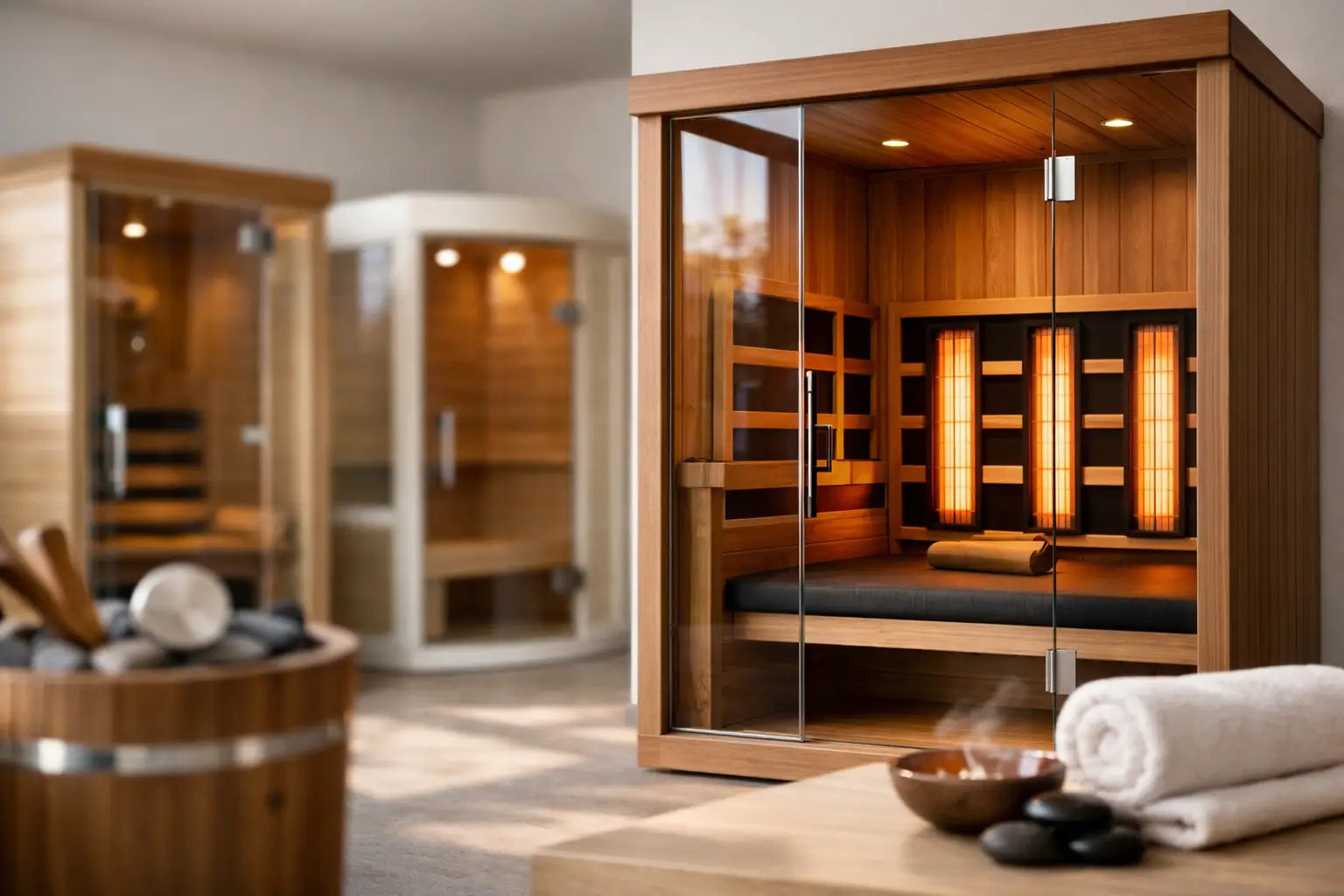
Infrared saunas are often easier to integrate into residential settings. Many models are designed with simpler electrical requirements, quicker heat-up times, and compact footprints that work well in home gyms, primary suites, or dedicated wellness rooms. For buyers building a refined but functional recovery space, that convenience can be decisive.
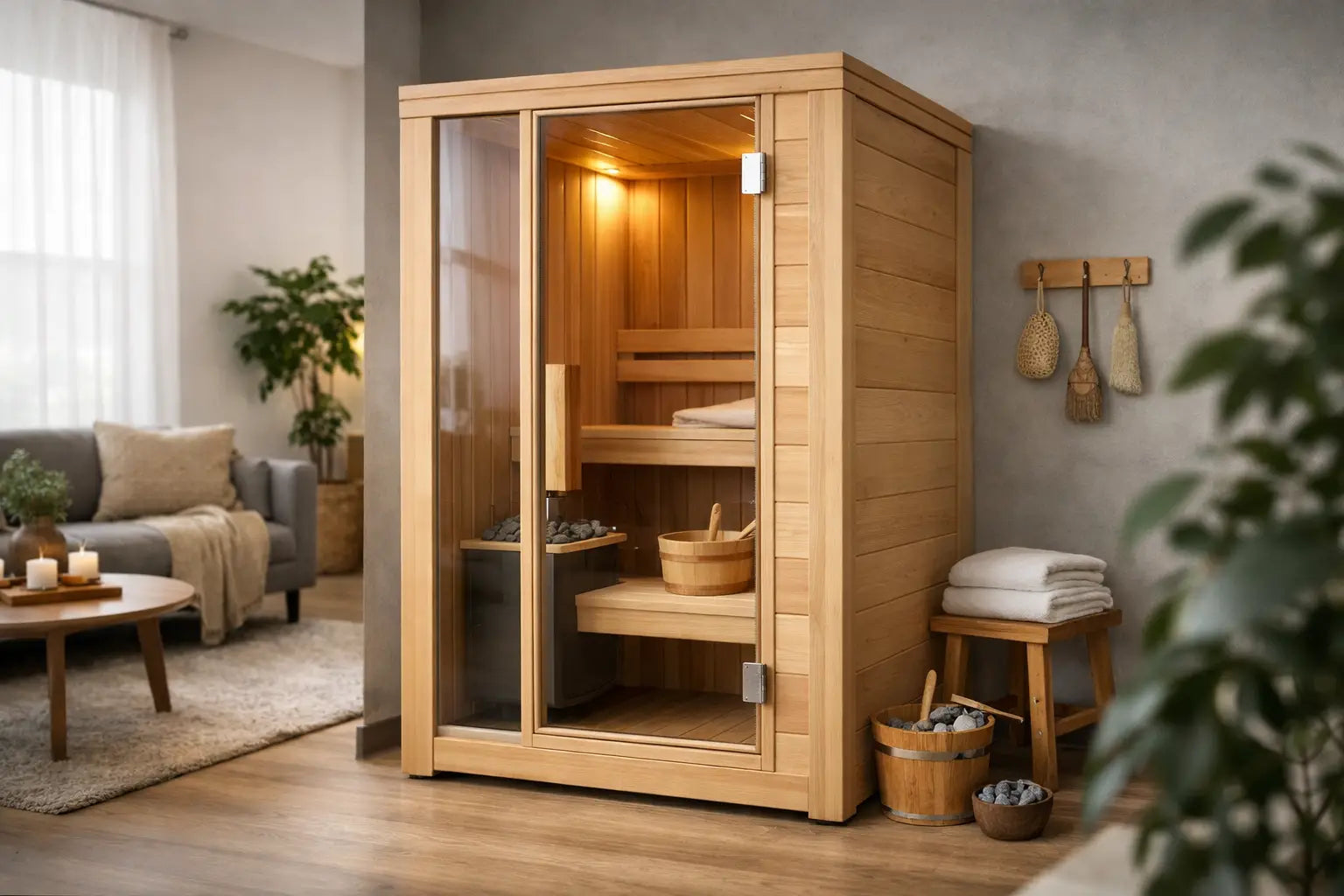
Traditional saunas can require more planning. Depending on the model, you may need higher electrical capacity, more deliberate ventilation considerations, and greater attention to room design and material performance. They can also take longer to reach operating temperature. None of that is a drawback if you are intentionally creating a high-end sauna environment. It simply means the purchase should be made with a clearer view of setup, utility needs, and long-term use.
This is where expert guidance matters. Dimensions, door swing, interior bench layout, and power requirements all influence whether a sauna will feel effortless once installed or complicated from day one.
Energy use and efficiency
Energy questions usually come down to duration, heat level, and usage habits.
Infrared saunas are often seen as the more energy-efficient option because they typically run at lower temperatures and may heat up faster. For households that plan to use a sauna frequently, this can support both convenience and operating cost control.
Traditional saunas generally demand more energy to heat the full room to a much higher temperature. That said, buyers choosing traditional are not always chasing efficiency first. They may care more about the experience itself - the heat, the steam capability, and the timeless feel of a classic sauna session.
If you are highly usage-oriented and want a dependable daily tool, infrared may offer better alignment. If you are building a premium wellness feature where experience leads the decision, traditional may still be the better investment.
Design, atmosphere, and the feeling of the room
This category is not only about performance. It is also about presence.
Traditional saunas often carry a stronger sense of old-world craftsmanship. Natural wood interiors, substantial benches, and the visual anchor of the heater create a room that feels architectural and grounded. In a thoughtfully designed home, a traditional sauna can become a centerpiece of a private wellness retreat.
Infrared saunas tend to lean more modern. They are often streamlined, space-conscious, and well suited to contemporary interiors where clean lines and efficient use of space matter. That does not make them less luxurious. It simply means their luxury often comes through ease, accessibility, and how naturally they fit into daily life.
For many buyers, the right answer comes down to what the room should invite. A traditional sauna invites immersion. An infrared sauna invites consistency.
Which one is right for you?
Choose infrared if you want a lower-temperature sauna experience, faster routine integration, and a recovery tool you are likely to use often. It is especially compelling for busy households, fitness-minded users, and anyone building a practical at-home wellness ritual with minimal friction.
Choose traditional if you want the full heat environment, the option for humidity, and a sauna experience that feels rooted in ritual and craftsmanship. It is often the better match for buyers who want a more immersive sensory experience and are willing to plan more carefully for installation and operation.
At The Well Body Store, this is the kind of decision worth making slowly. A sauna should fit your body, your home, and the way you restore.
The right sauna is not the one with the most dramatic spec sheet. It is the one that makes you want to close the door, exhale, and return tomorrow.

Leave a comment
This site is protected by hCaptcha and the hCaptcha Privacy Policy and Terms of Service apply.