

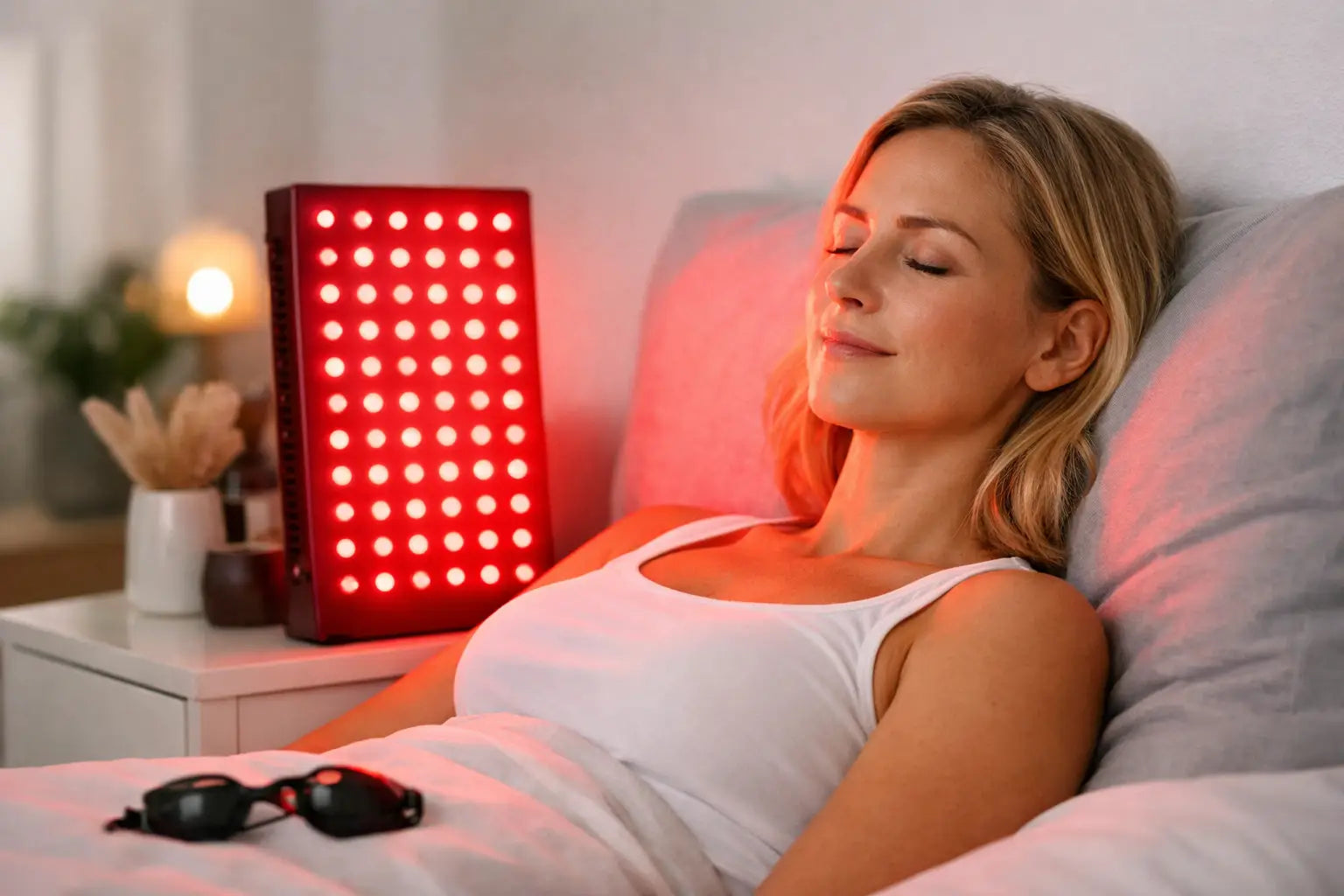
Red Light Therapy Benefits at Home
A recovery ritual only works if it actually fits real life. That is why so many people are looking closely at red light therapy benefits at home - not as a trend, but as a practical way to support performance, skin health, and daily restoration without adding another appointment to the calendar.
For homeowners building a wellness room, athletes managing soreness, and busy professionals trying to recover more consistently, red light therapy sits in a useful middle ground. It feels elevated, but it can also be straightforward. Step in front of a panel for a few minutes, use it regularly, and let the habit do the work. The appeal is not just what red light therapy may support. It is the fact that it can happen in your own space, on your own schedule.
Why red light therapy benefits at home stand out
The strongest advantage of home use is consistency. Many wellness tools are effective in theory but hard to keep up with in practice. If a treatment requires travel, scheduling, or repeat clinic fees, even a motivated person may fall off. A home device changes that equation.
Red light therapy is often used as part of a broader recovery and wellness routine because it is noninvasive, quiet, and easy to layer into the day. Some people use it after training. Others prefer it in the morning as part of a wake-up ritual, or in the evening to create a calmer transition out of work mode. When a device is already in the house, consistency becomes more realistic, and with this category, consistency matters more than intensity.
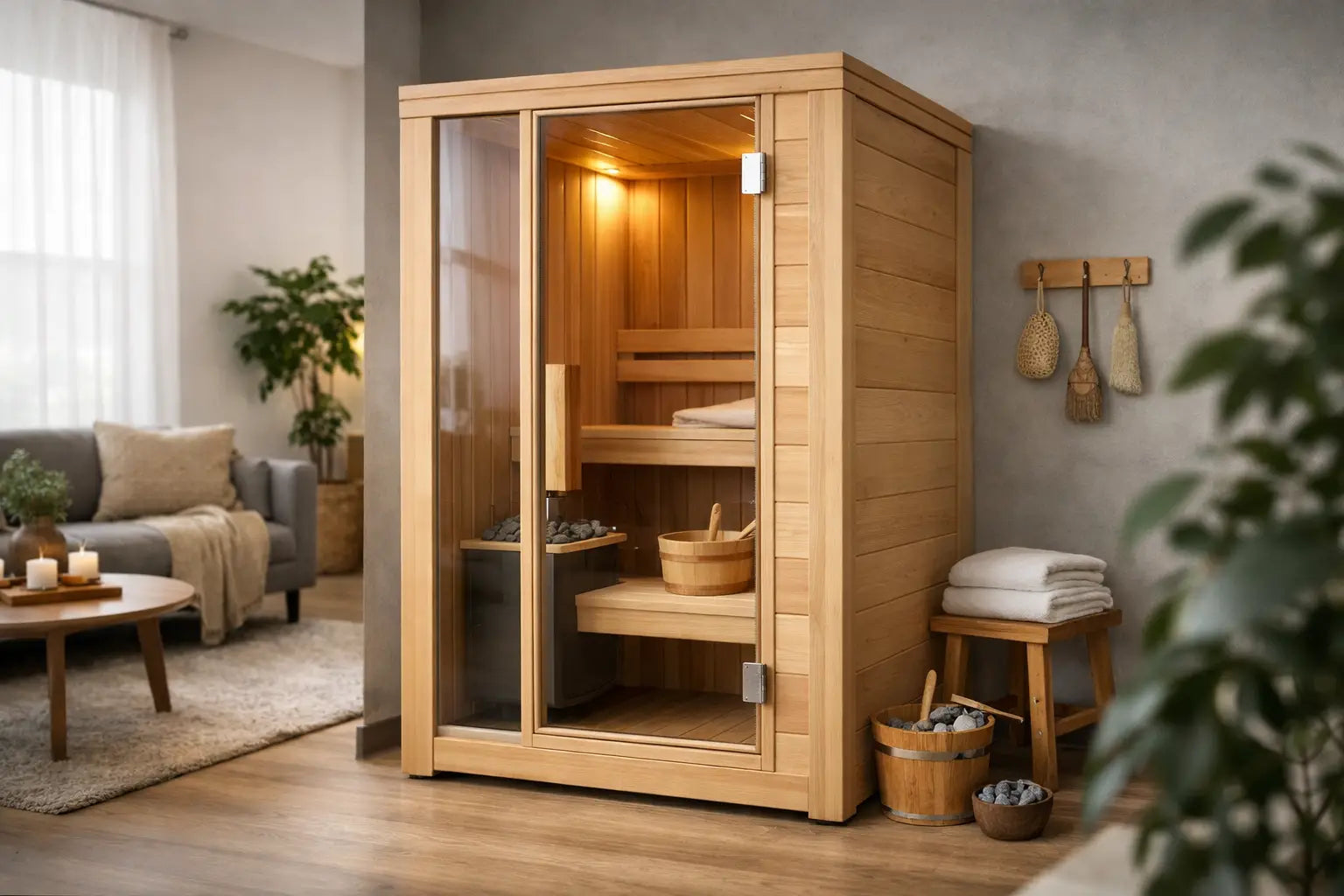
There is also a design and lifestyle component that matters to this audience. A premium home wellness space should not feel clinical or improvised. The right red light setup can complement a thoughtful environment alongside a sauna, cold plunge, massage chair, or compression system. It supports the larger goal of making recovery and self-care a daily standard rather than an occasional fix.
What red light therapy may support
People often come to this category for one reason, then keep using it for several. The most discussed benefits tend to center on recovery, skin appearance, and overall wellness support.
Recovery and muscle comfort
One of the main reasons active adults invest in red light therapy is post-workout recovery. Red and near-infrared light are commonly used to support circulation and help the body manage training stress. For someone lifting regularly, playing tennis, cycling, or simply dealing with the wear of a demanding week, that can make the tool feel worthwhile.
This does not mean one session erases soreness. It is better to think of it as a cumulative practice. Used consistently, a quality device may help support muscle comfort and make recovery feel more intentional. If your current routine already includes stretching, hydration, mobility work, or compression, red light therapy can be a natural addition rather than a replacement.
Skin tone and visible rejuvenation
Many shoppers first encounter red light therapy through skincare, and that is a valid entry point. At-home use is often associated with supporting collagen production, improving the look of fine lines, and promoting a healthier-looking complexion over time.
The trade-off is patience. Home devices are designed for ongoing use, not overnight transformation. A premium device may offer stronger output and better coverage than lower-end options, but visible skin changes still tend to happen gradually. For people who value a refined daily ritual, that pace is often acceptable. It feels less like a quick fix and more like steady maintenance.
Calm, routine, and nervous system support
Not every benefit is purely physical. One reason home wellness equipment earns its place is that it creates structure. A ten to twenty minute red light session can become a quiet checkpoint in the day - a moment to step away from screens, slow the pace, and reconnect with the body.
That does not mean red light therapy is a cure for stress. But the ritual itself can support a calmer rhythm, especially when paired with breathwork, light stretching, or a short evening reset. For many people, the real value is not just the light exposure. It is the habit of stopping long enough to recover.
Sleep and energy rhythm
Some users also report that red light therapy fits well into a broader sleep-support routine. Because it does not carry the stimulating feel of bright overhead lighting, it may be easier to use in the evening than harsher light sources. Others prefer it early in the day as part of a focused morning routine.
This is one of those it-depends areas. Timing can be personal. If your goal is winding down, an evening session may feel restorative. If your goal is consistency and momentum, morning may work better. The best time is usually the one you will repeat.
What makes home red light therapy worth the investment
Not all wellness purchases earn daily use. The ones that do usually share three qualities: convenience, comfort, and visible relevance to your goals.
A well-chosen red light therapy device can check all three. Convenience matters because it removes friction. Comfort matters because the experience is easy to repeat. Relevance matters because the device should match how you plan to use it, whether that is full-body recovery, facial support, localized treatment, or a combination.
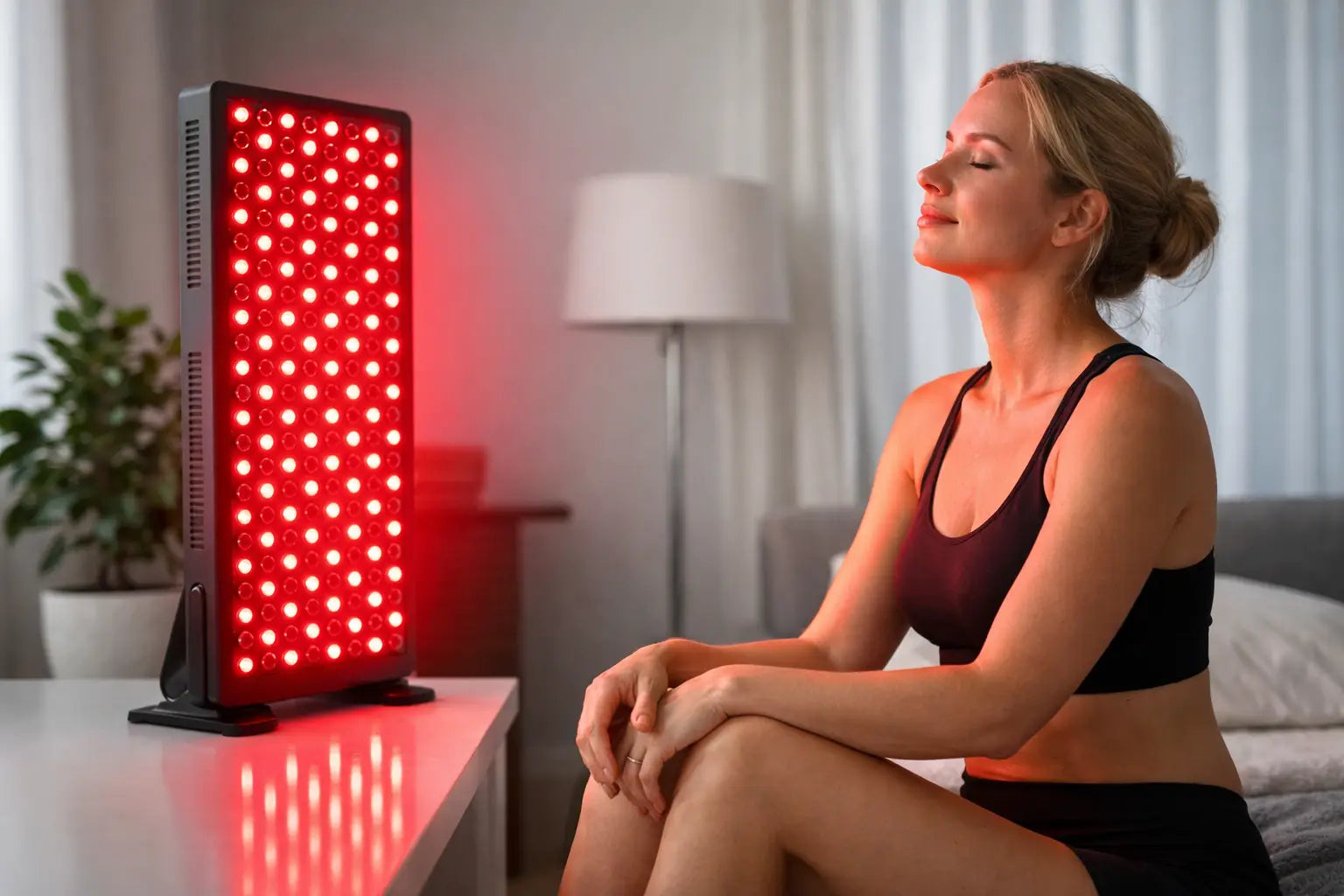
This is where premium shopping matters. In a crowded market, the difference between a device that becomes part of your routine and one that gathers dust often comes down to build quality, treatment area, setup, and whether the device genuinely suits your space. A compact panel may be ideal for targeted use in a bedroom or office. A larger panel may make more sense in a dedicated wellness room where broader coverage and a more immersive experience are priorities.
Red light therapy benefits at home depend on the device
The phrase sounds simple, but the category is not one-size-fits-all. The benefits you notice at home are closely tied to the device you choose and how you use it.
Coverage matters
Small handheld devices can be convenient, but they tend to treat small areas at a time. If you want support for larger muscle groups, back recovery, or a more efficient full-body routine, a panel format usually makes more sense. More coverage often means a more practical experience, especially for people trying to build a repeatable ritual.
Power and build quality matter
A premium device is not just about appearance. It should deliver reliable output, feel stable in the home, and be designed for regular use. Cheaper devices can be tempting, but lower quality often shows up in weaker performance, less efficient sessions, or frustration with setup and durability.
Ease of setup matters
A device can have excellent specs and still be the wrong choice if it does not fit your space. Dimensions, mounting options, portability, and where the device will live all matter. For a category like this, expert guidance before purchase can save time and disappointment later.
Who benefits most from using red light therapy at home
This category tends to resonate with people who already value recovery but want more control over how it fits into their routine. That includes athletes and fitness-focused households, but it also includes people whose stress shows up as tension, fatigue, and inconsistency.
If you are building a home wellness environment, red light therapy can be one of the more versatile additions because it supports both performance-minded and restorative goals. It works for the person training hard four days a week, the executive trying to create a better evening routine, and the homeowner who wants wellness tools that feel intentional in both form and function.
It may be less compelling for someone looking for a one-time solution or instant dramatic change. This is a better fit for people who appreciate ritual, consistency, and long-term value from premium equipment.
What to expect realistically
A polished category still deserves a realistic lens. Home red light therapy is promising, but it is not magic. Results vary based on frequency of use, treatment goals, the quality of the device, and individual response.
Some users notice the biggest difference in how they feel after workouts. Others care most about skin appearance. Some simply value the ritual because it helps them stay more connected to recovery. All of those are valid, and none need to be oversold.
The more practical expectation is this: a quality home device can support your routine, but it works best when it is part of a broader system of sleep, movement, hydration, and recovery habits. Think of it as a strong supporting tool, not a shortcut.
For shoppers considering a premium setup, that is actually good news. The best purchases are rarely impulse buys. They are the ones selected with enough clarity that they continue to feel right months later. At The Well Body Store, that is the standard worth aiming for - wellness equipment that earns its place through daily use, thoughtful design, and real alignment with how you want to live.
If red light therapy belongs in your home, it should do more than look impressive. It should make recovery feel easier to keep, self-care feel less negotiable, and your space feel more like a place where strength and restoration can coexist.

Leave a comment
This site is protected by hCaptcha and the hCaptcha Privacy Policy and Terms of Service apply.