

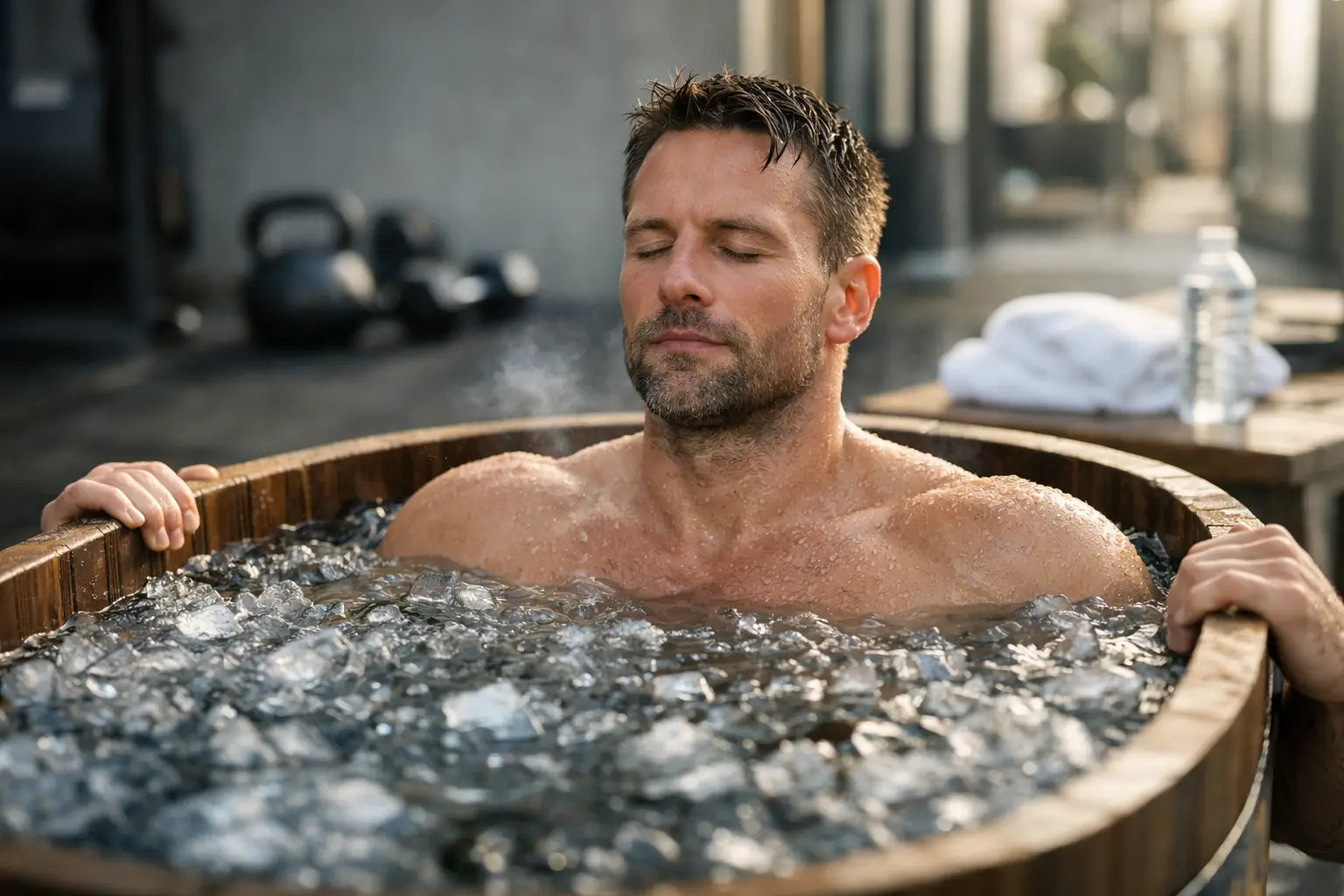
Cold Plunge Benefits After Workout
That post-training moment matters more than most people think. When your heart rate is coming down, your muscles feel heavy, and the rest of the day is still waiting for you, recovery stops being a luxury and starts becoming part of performance. That is where the conversation around cold plunge benefits after workout becomes useful - not as a trend, but as a practical ritual for people who want to recover well and live well.
A cold plunge can help reduce soreness, bring down the sense of inflammation after demanding sessions, and create a noticeable shift in mood and focus. But the real value depends on what kind of training you did, how hard you pushed, and what result you want from recovery. For some people, cold exposure is a smart finish to a high-intensity day. For others, timing matters more than the plunge itself.
What cold plunge benefits after workout actually mean
The phrase gets used loosely, but there are a few distinct effects worth separating. First, cold water immersion can help constrict blood vessels and lower tissue temperature, which may reduce the feeling of swelling and soreness after strenuous exercise. If you have ever finished a hard leg session and felt that deep, lingering heaviness set in a few hours later, this is the kind of discomfort people are trying to manage.
Second, cold exposure often creates a nervous system reset. After an intense workout, especially one layered on top of work stress, poor sleep, or travel, a plunge can leave you feeling clearer and more composed. That matters if your goal is not just to survive training, but to return to your day with steadier energy.
Third, there is the ritual itself. A well-designed recovery practice tends to be the one you actually repeat. For many people building a home wellness space, the cold plunge is not only about physical recovery. It is about creating a dependable transition between effort and restoration.
When a cold plunge helps most after exercise
The strongest case for a plunge usually comes after intense conditioning, hard interval work, long endurance sessions, sport-specific training, or heavy lower-body days that leave you feeling beaten up. In those situations, reducing soreness and improving your sense of readiness for the next day can be valuable.
If you train frequently, that trade-off can make sense. You may care less about maximizing every possible adaptation from one single session and more about being able to perform again tomorrow. Competitive athletes, active professionals, and anyone managing a dense weekly training schedule often think this way.
There is also a practical advantage for home use. If your schedule leaves little margin for extended recovery appointments or spa visits, an at-home plunge creates access. You finish training, step into your recovery routine, and move on with your evening. That convenience is part of the benefit.
Soreness and perceived recovery
One of the most common reasons people use cold immersion is delayed onset muscle soreness. While it does not erase muscle damage or replace sleep, nutrition, and smart programming, it can make the aftermath of a tough session feel more manageable.
That can be enough to change consistency. When recovery feels supported, people are more likely to keep showing up for training, mobility work, and the rest of their wellness routine.
Mental reset and stress relief
Cold exposure asks for controlled breathing and composure. Done well, that creates a fast mental shift. Many people report feeling more alert immediately after and calmer later on. For high-performing adults balancing training with demanding work and family life, that dual effect is not small.
Recovery is not only about muscles. It is also about reducing the accumulated load of the day.
The trade-off: when cold plunging right after training may not be ideal
This is where nuance matters. If your main goal is muscle growth or certain strength adaptations, frequent cold plunging immediately after resistance training may not always be the best move. Some research suggests that blunting the inflammatory response too aggressively after lifting can slightly reduce some of the signaling involved in building muscle over time.
That does not mean cold plunges are bad for lifters. It means timing should match the goal. If you just finished a hypertrophy session and adaptation is the priority, waiting a few hours - or saving the plunge for another part of the day - may be a better approach. If you are in-season, training again soon, or trying to reduce soreness before travel or work, the immediate plunge may still be worth it.
In other words, recovery is not one-size-fits-all. The best protocol is the one that supports your actual objective.
How to use a cold plunge after a workout
For most people, a simple protocol works well. Water in the range of 50 to 59 degrees Fahrenheit is often enough to deliver a strong effect without turning the session into a pure test of will. Time can stay short. Around 3 to 8 minutes is a reasonable starting point, and beginners may want to start even lower.
The goal is control, not heroics. If your breathing is frantic and your body is panicking, the session is too aggressive for where you are right now. A calmer entry, steady breathing, and consistency over time will do more for recovery than forcing extreme cold.
Best practices for a better experience
A few details make a difference. Hydrate after training before you get in. Give yourself a minute to let your heart rate settle. Enter slowly, focus on long exhales, and keep your first sessions conservative.
Afterward, warm up naturally rather than rushing into a scalding shower. Dry off, move gently, and let your body regulate. That transition tends to feel better and supports the ritual quality that makes recovery sustainable.
Cold plunge benefits after workout in a home wellness routine
The appeal of a home plunge goes beyond physiology. It turns recovery into something immediate and repeatable. Instead of treating wellness as an occasional appointment, you build it into the architecture of your day.
That matters for people designing personal wellness spaces with intention. A cold plunge fits especially well alongside complementary recovery tools like an infrared sauna, compression therapy, or massage. On some days, the plunge is the centerpiece. On others, it is one part of a broader sequence that supports circulation, decompression, and better sleep.
The design of the product matters too. Premium home cold plunges are not just tubs filled with cold water. Buyers in this category care about temperature control, footprint, sanitation systems, insulation, aesthetics, and how the unit integrates with the home. Recovery equipment should perform well, but it should also feel considered in the space where you use it.
For shoppers comparing options, this is where expert guidance becomes valuable. The right choice depends on your available space, setup preferences, maintenance tolerance, and how often you plan to use it. At The Well Body Store, that curated approach is part of what makes premium wellness equipment easier to buy with confidence.
Who should be cautious
Cold plunging is not for everyone, and that should be said plainly. People with cardiovascular conditions, uncontrolled high blood pressure, circulation disorders, or other medical concerns should speak with a qualified healthcare professional before using a cold plunge. The same goes for anyone who is pregnant or new to intense cold exposure.
Even healthy users should respect the stress response. More is not always better. If you feel dizzy, numb beyond comfort, or unusually distressed, end the session.
Is it worth it?
If your workouts leave you sore, your schedule is full, and you value recovery that feels both effective and grounding, a cold plunge can be worth serious consideration. The benefit is not magic. It is a combination of physical relief, nervous system regulation, and ritualized care that makes high performance more sustainable.
What makes it compelling for home use is simple: recovery becomes available on your terms. No commute, no appointment, no friction between knowing what helps and actually doing it. And when a wellness practice is elegant enough to fit your home and practical enough to fit your life, it stands a much better chance of becoming part of how you live - not just something you try for a week.

Leave a comment
This site is protected by hCaptcha and the hCaptcha Privacy Policy and Terms of Service apply.