

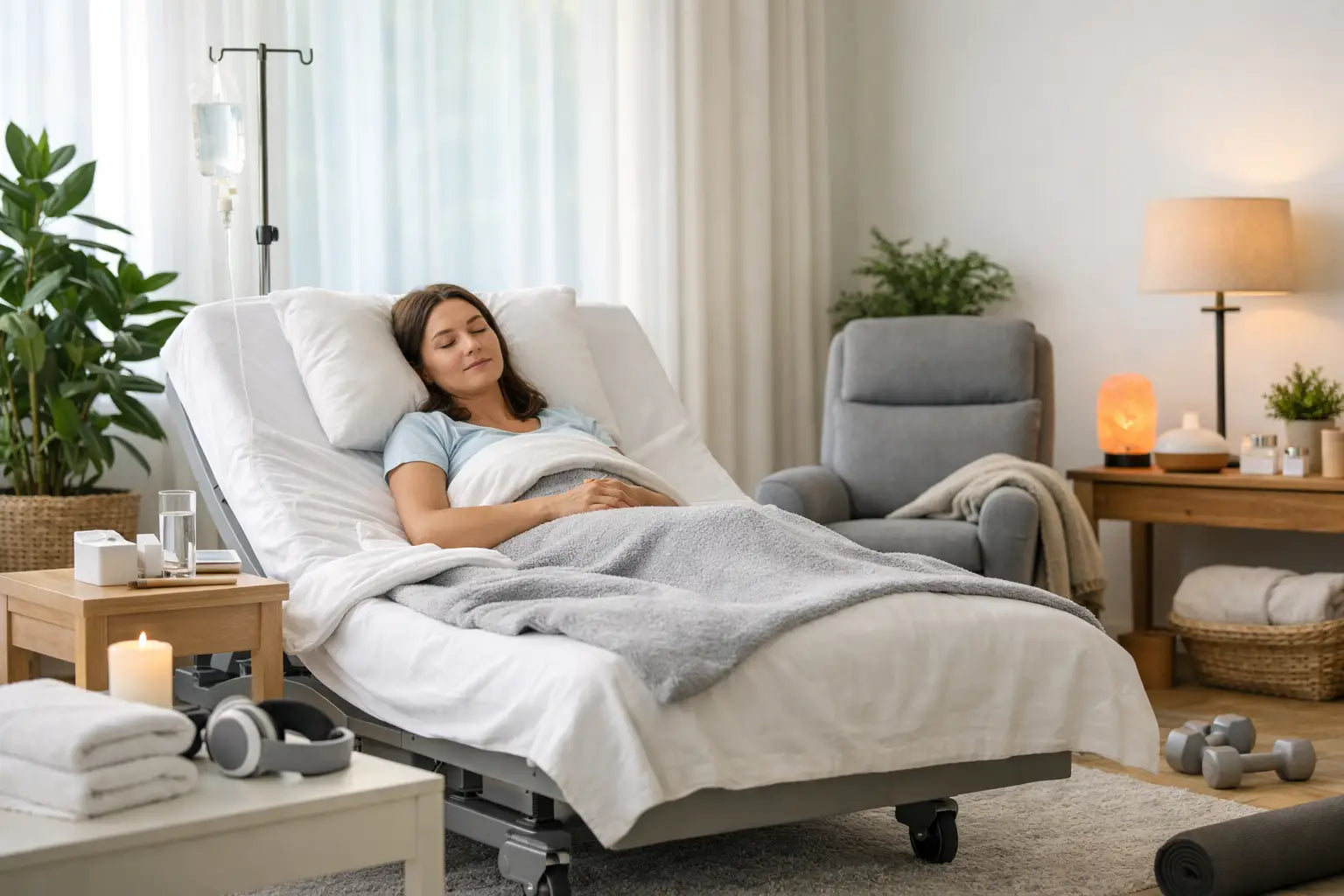
9 Home Recovery Room Ideas That Work
A good recovery space changes behavior. When the tools are close, comfortable, and easy to use, recovery stops feeling like something you should do and starts becoming part of how you live. The best home recovery room ideas are not about filling a room with expensive equipment. They are about building a space that supports strength, calm, and consistency.
For some homes, that means converting a spare bedroom into a quiet reset zone. For others, it means giving a corner of the gym a more restorative purpose or turning a lower level into a full wellness suite. The right setup depends on how you recover, how much space you have, and which rituals you will actually repeat.
Start with the recovery ritual, not the room
Before choosing finishes or equipment, decide what the room needs to help you do. If your priority is athletic recovery, your space may center on compression therapy, cold exposure, and massage. If stress reduction is the real goal, infrared heat, red light therapy, and a quieter visual palette may matter more. Many homes need both.
This is where premium planning pays off. A recovery room works best when it reflects a sequence, not a collection of products. You might move from red light in the morning to a cold plunge after training, then use a massage chair in the evening. Or you may prefer sauna heat followed by a cool shower and twenty minutes of stillness. The room should make that rhythm feel natural.
Home recovery room ideas that feel elevated and usable
The most effective spaces usually share one trait: restraint. A room can be beautifully equipped without feeling clinical or crowded.
1. Build around one anchor piece
Choose the product that will define the room and let the rest of the design support it. In many homes, that anchor is an infrared sauna, a traditional sauna, a cold plunge, or a massage chair. The anchor piece shapes the room's footprint, power needs, circulation, and mood.
A sauna creates a warm, architectural focal point and suits households that value ritual and decompression. A cold plunge makes sense for performance-minded recovery and sharper contrast therapy routines. A massage chair often works best when the room also needs to serve as a reading, media, or relaxation space. Starting with the anchor keeps the room intentional.
2. Divide the room into active and quiet zones
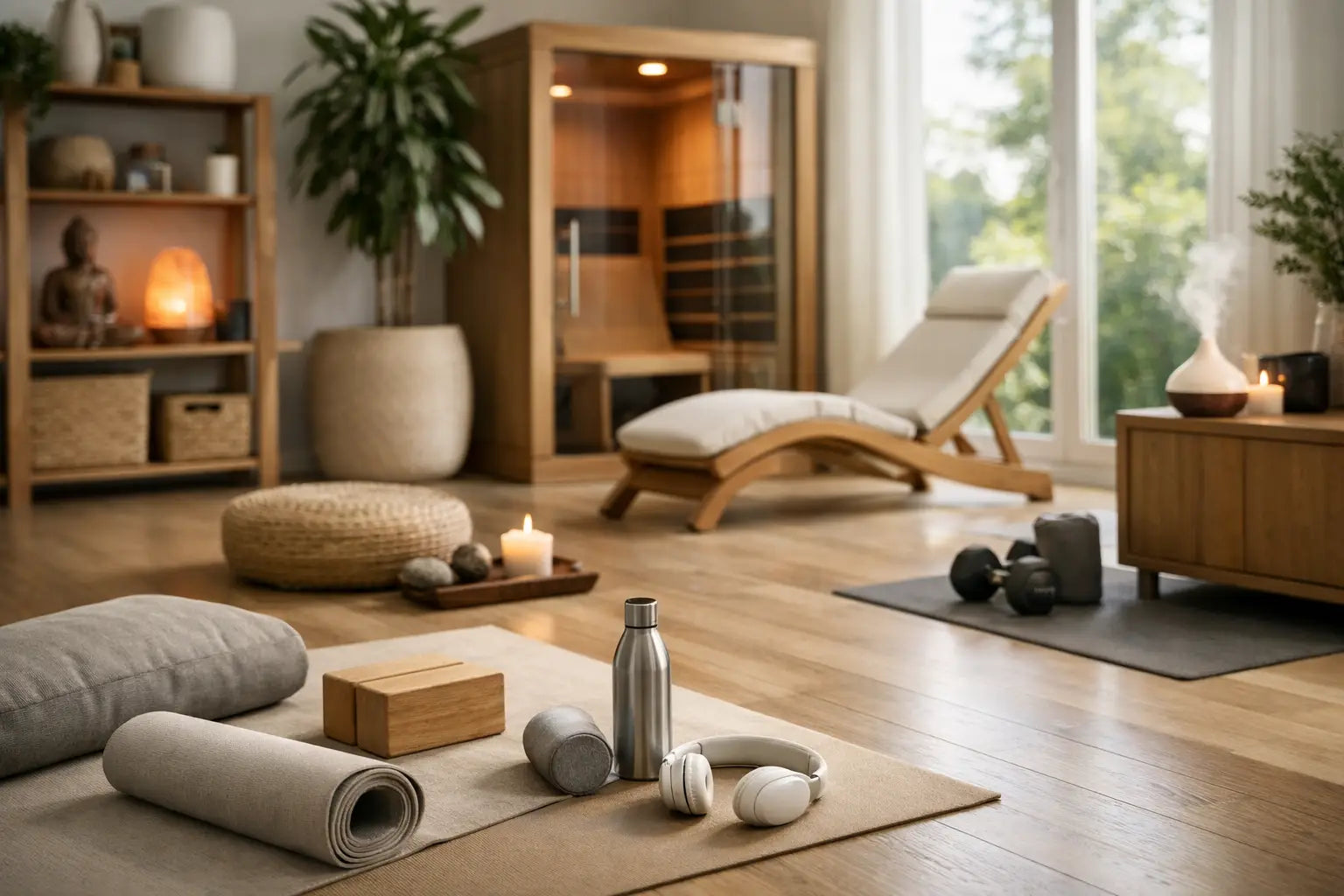
If space allows, treat recovery as two experiences. One side of the room can support active modalities like cold immersion, compression boots, and mobility work. The other can feel quieter, with softer lighting, a chair, towels, hydration, and red light therapy.
This split matters more than people expect. A room with only equipment can feel transactional. A room with a place to pause feels restorative. Even in a smaller footprint, a bench, side table, and closed storage can create that distinction.
3. Let the finishes lower your stress level
Luxury in a recovery room is often less about decoration and more about sensory control. Natural wood, matte black details, stone, limewash-style walls, or warm neutrals tend to age well and support a calmer atmosphere. Bright white can feel too clinical unless balanced with warmer materials.
Flooring deserves extra attention. You want something stable, easy to clean, and appropriate for moisture if the room includes a plunge, sauna, or nearby shower. Textured tile, sealed concrete, and high-quality waterproof flooring are usually better choices than carpet or delicate wood.
4. Choose lighting that works in layers
Overhead lighting alone can flatten the room. A better approach is layered light that adjusts to the time of day and the type of recovery you are doing. Soft ambient lighting helps in the evening. Task lighting near storage or a vanity area improves usability. Red light devices can become part of both the function and the atmosphere.
Dimmer controls are worth it. Recovery spaces should not feel locked into one mood. Some mornings call for clarity and energy. Late evenings call for less visual stimulation.
The best equipment mix depends on how you recover
A strong room is not the one with the most categories. It is the one where each category earns its place.
Infrared and traditional sauna
Saunas remain one of the most compelling choices for a home wellness room because they support both stress relief and physical recovery. Infrared models often appeal to buyers who want a lower-profile installation and a gentler-feeling heat experience. Traditional saunas tend to suit those who love a more classic sauna environment and stronger heat.
The trade-off usually comes down to preference, available electrical setup, and how much space you can dedicate. Either can become a daily ritual if the room around it supports easy use.
Cold plunge
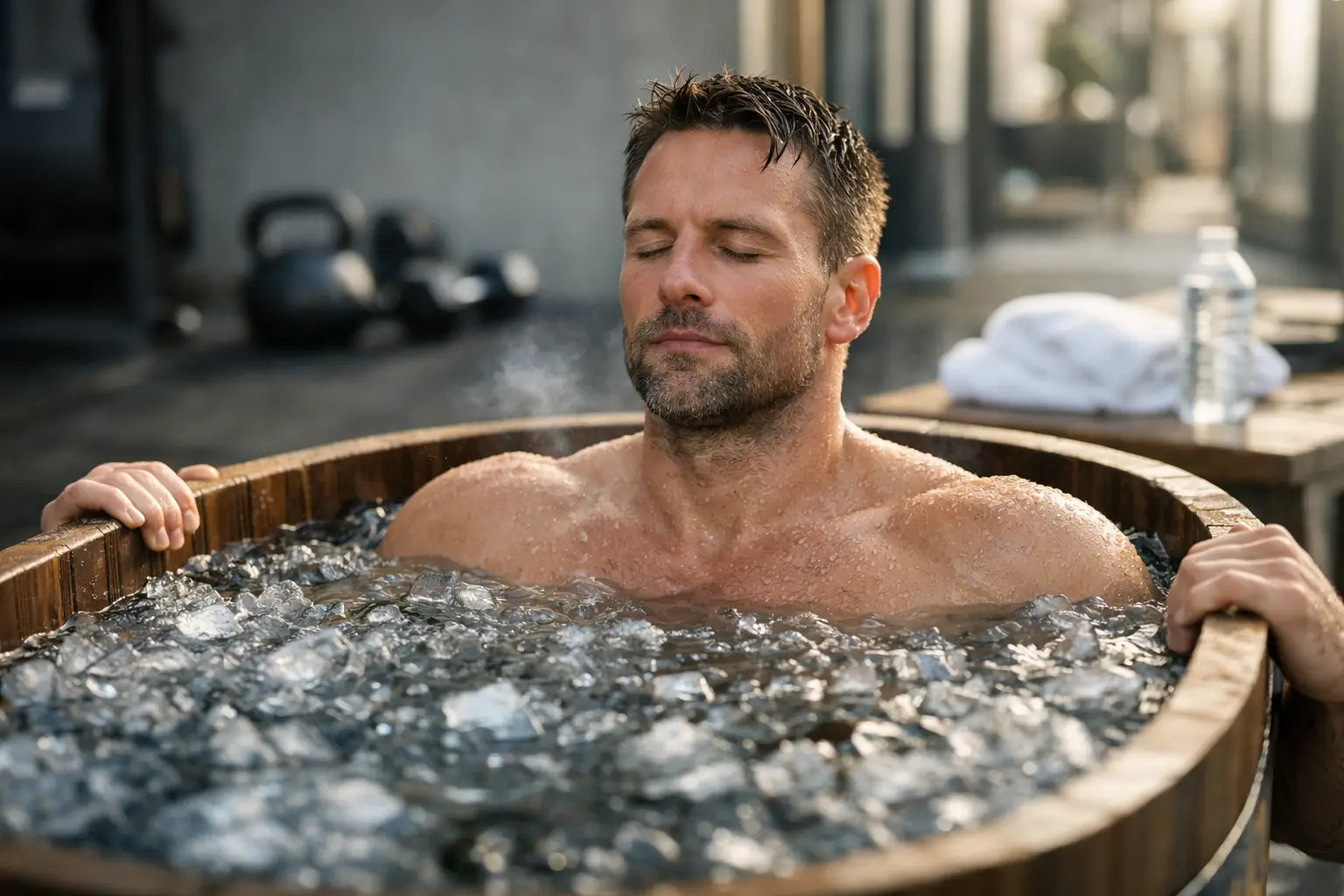
A cold plunge brings a more performance-forward edge to the room. It can help create a clear mental reset after training and gives contrast therapy setups real structure when paired with sauna heat. It also asks more from the space, especially in terms of splash management, flooring, and access.
Cold plunges work best when they do not feel like an obstacle. Leave enough clearance to enter and exit comfortably, keep towels close, and plan for drainage considerations early.
Massage chairs and compression recovery
These categories are often easier to integrate than buyers expect. A premium massage chair can turn a spare room into a true recovery lounge without construction. Compression boots or sleeves add performance value without requiring a permanent footprint, which makes them ideal for smaller spaces or shared rooms.
If your schedule is tight, these may become the most-used tools in the room. They offer recovery with almost no setup friction, which matters when consistency is the goal.
Red light therapy
Red light therapy fits especially well in multipurpose spaces because it can be wall-mounted, freestanding, or integrated into short daily sessions. It complements both performance and relaxation routines, and visually it tends to suit the refined, minimal feel many homeowners want.
If the room needs to stay flexible, red light is often one of the smartest additions.
Design for setup, maintenance, and daily flow
Beautiful plans fall apart when no one thinks through logistics. Premium equipment deserves premium planning.
Measure doorways, stairwells, ceiling heights, and turning clearances before choosing larger items. Review electrical requirements early, especially for saunas and certain cold plunge systems. Think about where robes, towels, water, and cleaning supplies will live so the room stays composed even when used daily.
Ventilation also matters. Heat, moisture, and airflow affect comfort as much as aesthetics do. If the room includes multiple heat- or water-based elements, discuss placement with professionals before finalizing the layout. The room should feel effortless once installed, not like a series of compromises.
Small-space home recovery room ideas
Not every home needs a dedicated wellness wing. A highly effective recovery room can fit into a modest footprint if each piece serves a clear purpose.
A compact setup might include a one- or two-person infrared sauna, a slim red light panel, a massage chair or recliner, and concealed storage for compression equipment and recovery accessories. In a home gym, adding warmer lighting, acoustic softness, and a cleaner visual boundary can shift the room from workout-only to recovery-ready.
What matters most in smaller spaces is editing. If you try to include every modality, the room may lose its sense of calm. Choose the tools you will use three times a week, not the ones that only look impressive on paper.
Make the room feel personal, not performative
The most lasting recovery rooms have a point of view. That does not mean they need elaborate styling. It means they reflect the household's habits.
Some people want silence, simple materials, and almost no visual clutter. Others want integrated speakers, a sculptural chair, and a hospitality feel with rolled towels and a carafe of water. Both can work. The key is avoiding a showroom look that feels detached from real life.
This is also where expert guidance helps. At The Well Body Store, the most useful conversations are often about fit, placement, and how different categories work together in a real home. A premium recovery room should support your routine and your architecture at the same time.
A room you return to
The right recovery room does not need to be large or overly designed. It needs to feel inviting on an ordinary Tuesday, after a hard workout, after a long flight, or at the end of a demanding day. When the space makes recovery easier to choose, it becomes more than a room. It becomes part of how you protect your energy, your performance, and your peace.

Leave a comment
This site is protected by hCaptcha and the hCaptcha Privacy Policy and Terms of Service apply.