

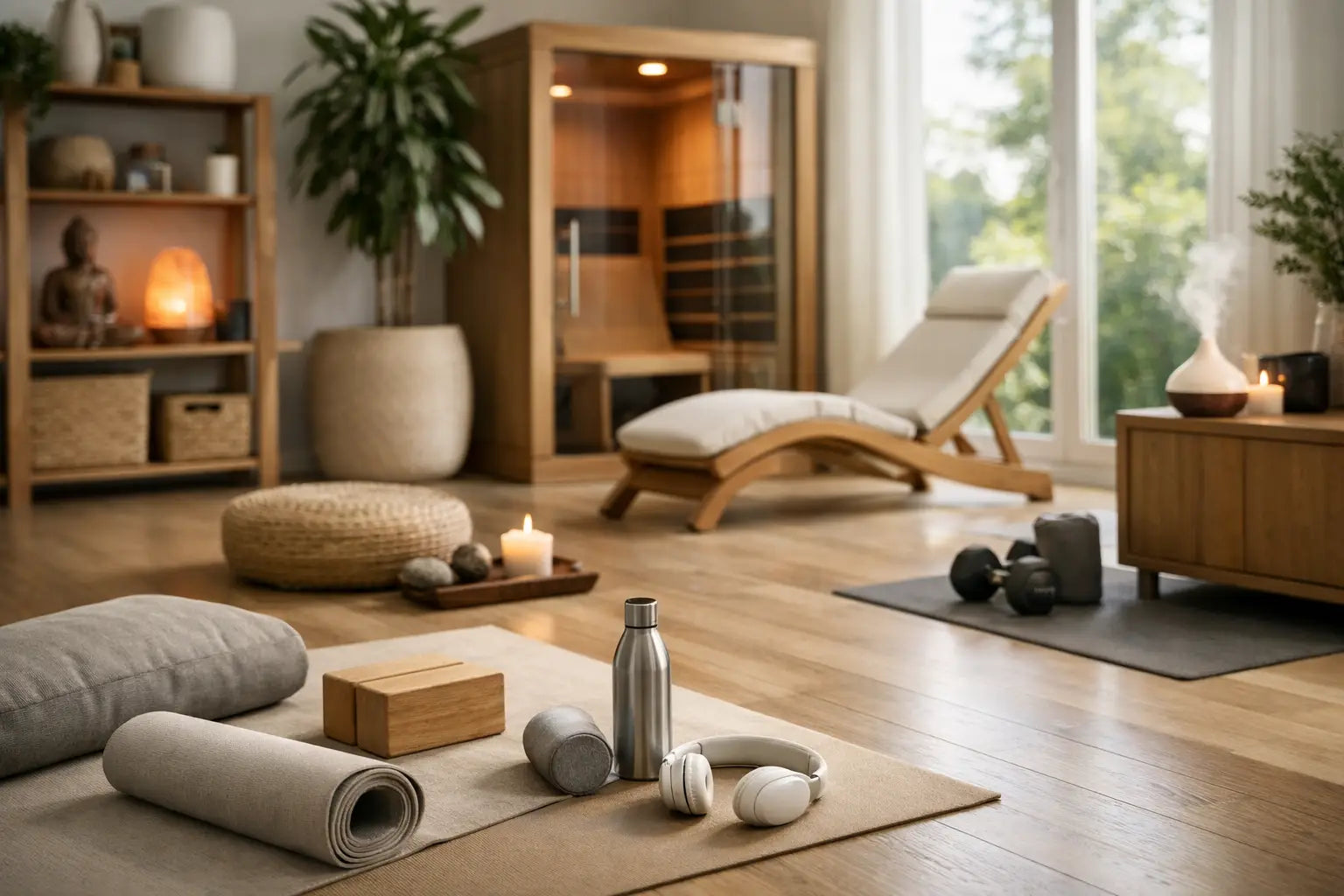
Home Wellness Room Design Guide
A well-designed recovery space changes how often you actually use it. The best home wellness room design guide is not about filling a room with impressive equipment. It is about shaping a space that supports the way you want to feel - clear-headed in the morning, restored after training, and calmer at the end of the day.
For most homeowners, the challenge is not whether wellness products work. It is how to bring them into the home without creating visual clutter, workflow problems, or a room that feels more clinical than restorative. The goal is a space that performs well, looks considered, and fits your daily rhythm.
What a home wellness room design guide should help you decide
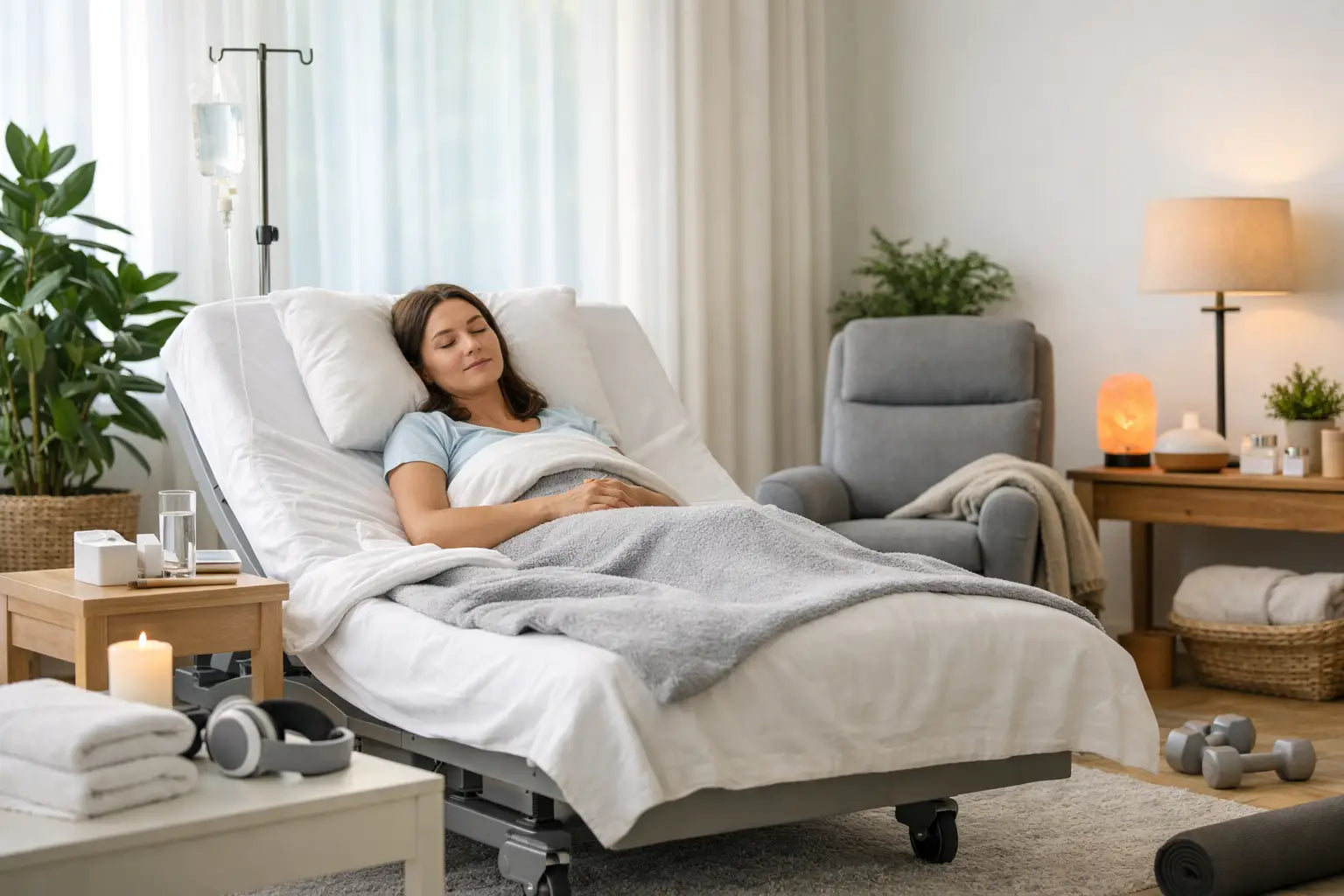
A strong wellness room starts with intention, not equipment. Some people are building around athletic recovery and want a cold plunge, compression therapy, and red light exposure in one zone. Others are creating a quieter sanctuary centered on heat, stress relief, and nervous system reset with an infrared sauna, massage chair, and soft lighting.
Both approaches can work beautifully, but they require different planning. Recovery-focused rooms benefit from durable surfaces, easy cleanup, and enough circulation space to move between modalities. Relaxation-led rooms usually need stronger attention to acoustics, material warmth, and visual calm. Many households want both, which means balancing performance with comfort rather than forcing the room too far in one direction.
Before you choose finishes or compare dimensions, decide what the room needs to do most often. Daily use matters more than fantasy use. A space that supports a 20-minute evening ritual will serve you better than one designed around a routine you might do twice a month.
Start with the room itself
The right room is not always the largest one. Basements offer privacy and insulation, but they can feel disconnected if lighting is poor. Spare bedrooms are easier to condition and furnish, though they may need moisture planning if you are adding heat or water-based equipment. Garage conversions can create excellent recovery zones, but they require more work around climate control and finish quality if you want the space to feel elevated.
Take stock of ceiling height, door width, electrical capacity, ventilation, flooring, and access for delivery. Premium wellness products often have meaningful spatial needs, not just where they sit but how they are brought in, installed, and used. A sauna may need clearance and dedicated power. A cold plunge may require thoughtful drainage strategy and flooring that can handle moisture without looking utilitarian. A massage chair needs recline depth, not just footprint.
This is where many design plans become expensive to correct. People shop by visual appeal first, then realize their preferred equipment does not fit the room, the doorway, or the way they want to move through the space. It is worth measuring carefully before you fall in love with a product category.
Build around a ritual, not just a product
The most successful rooms are organized in sequence. Think about what happens first, second, and third. You might begin with red light therapy in the morning, move to mobility work, then finish with compression boots. Or you may prefer a sauna session followed by a cold plunge and a quiet cooldown corner with hydration nearby.
That sequence should guide the layout. Wet and heat-based equipment should sit where surfaces are practical and airflow is strong. Passive recovery tools can live in quieter, softer zones. Seating matters more than people expect because a wellness room is not only for active sessions. It also needs places to pause, breathe, and transition.
If space is tight, choose fewer categories and create a better experience around them. One premium sauna and a simple recovery corner often feels more intentional than trying to fit a plunge tub, massage chair, and multiple devices into a room that cannot support them gracefully.
Wellness room layout and zoning
A practical home wellness room design guide should account for three layers of use: active wellness, transition, and storage. Active wellness includes the core equipment. Transition is where you towel off, sit, cool down, stretch, or check in with how you feel. Storage keeps the room visually quiet by hiding towels, recovery tools, cleaning supplies, and accessories.
Without those second and third layers, even premium products can make the room feel crowded. Clean design often comes down to what is not visible. Closed cabinetry, integrated shelving, and a dedicated bench can do as much for the room as the hero equipment itself.
Try to preserve open floor area. A wellness room should never feel like an obstacle course. If you are including large-format pieces, leave enough breathing room around them so the space feels composed rather than compressed.
Create dry and wet zones
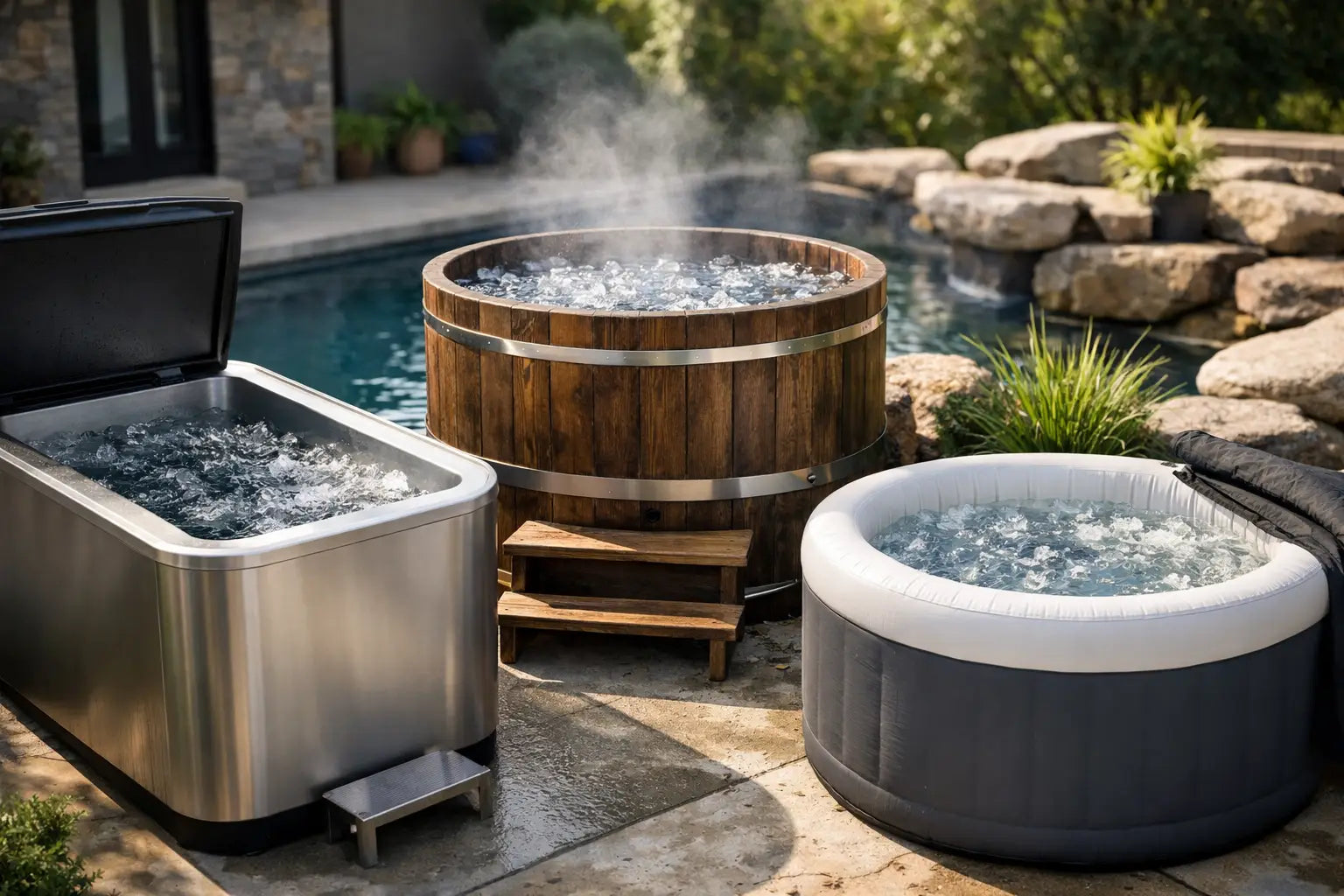
If your plan includes a cold plunge, jacuzzi, or any equipment that introduces moisture, separate that area from upholstered or electrical-heavy zones whenever possible. This does not require a large footprint, but it does require clear thinking. Slip-resistant flooring, washable wall surfaces, and easy access to towels and drainage make a difference over time.
Dry zones can carry more texture and softness. This is where wood tones, dimmable lighting, rugs suited to the environment, and a massage chair or red light panel can create a warmer mood.
Leave room for service and setup
Premium wellness products are long-term investments, and long-term ownership includes maintenance. Leave enough clearance for cleaning, ventilation, filter access, and any support needs after delivery. A room that looks perfect on install day but is difficult to maintain will lose its appeal quickly.
Materials, lighting, and atmosphere
Design is not decoration here. Material choices affect how the room feels before you ever turn on a device. Natural wood, stone-inspired surfaces, matte metals, and soft neutral tones tend to age well because they reinforce calm without feeling trend-driven.
Lighting deserves special care. Overhead can lights alone rarely create the mood a wellness room needs. Layer the light. Use ambient lighting for softness, task lighting where needed, and lower evening light levels if the room is part of your wind-down routine. Bright light can work in a performance-minded recovery space, but it should still feel intentional rather than harsh.
Sound also shapes the experience. Hard surfaces can make even a beautiful room feel cold. Acoustic panels, upholstered seating, drapery where appropriate, and thoughtful material contrast help create a quieter atmosphere.
Scent should be subtle. The room should feel fresh and clean, not heavily fragranced. Heat-based products and enclosed spaces can intensify scent more than expected.
Choosing the right wellness categories for your goals
Not every room needs every modality. The better question is which categories match your routine, your space, and your preferred form of recovery.
Infrared saunas appeal to buyers who want heat therapy in a refined footprint and often integrate well into finished interiors. Traditional saunas suit those who want a more classic heat experience and are willing to plan more carefully around installation and room conditions. Cold plunges are powerful for recovery and mental resilience, but they require comfort with regular maintenance and a realistic plan for moisture management.
Massage chairs work best when you have enough clearance for full recline and a room quiet enough to enjoy them. Red light therapy can be one of the easiest categories to integrate because wall-mounted or freestanding options often demand less from the room itself. Compression recovery equipment is the most flexible of all, especially for multi-use rooms, since it stores easily and supports frequent use.
For many households, the smartest first build is one anchor category paired with one flexible recovery tool. That gives you a complete ritual without overbuilding too early.
Design for real life, not a showroom
A beautiful room still needs to function on a Tuesday. That means thinking about cleaning, laundry flow, power access, temperature control, and where your phone, water bottle, robe, and towels actually go. Luxury comes from ease as much as aesthetics.
It also helps to consider who will use the room. A solo recovery suite can be more focused and minimal. A family wellness room may need broader circulation, more storage, and equipment choices that suit different comfort levels and body types.
If you are planning a premium build, expert guidance matters. Product dimensions, shipping access, setup requirements, and category differences can shape the final room more than mood boards do. This is where a curated retailer such as The Well Body Store can be especially valuable, because product selection is only one part of getting the room right.
Budget with intention
Wellness room budgets often go off track when every dollar goes into equipment and too little goes into the environment around it. Flooring, ventilation, electrical work, lighting, and storage are not glamorous purchases, but they protect the experience and support longevity.
If you need to phase the project, start with infrastructure first. A room with strong lighting, durable finishes, and one exceptional product will feel better than a half-finished space crowded with equipment. Build in layers, and let your routine tell you what to add next.
The most satisfying wellness rooms do not try to impress at every angle. They feel quiet, capable, and deeply personal - a space where strength, serenity, and daily recovery can live under the same roof.

Leave a comment
This site is protected by hCaptcha and the hCaptcha Privacy Policy and Terms of Service apply.